Material guide
Embroidery thread and counted fabric
Coordinate fabric density, chart scale, strand count and needle before cutting the ground.

Separate before recombining
For stranded cotton, remove one strand at a time and then combine the number required. Pulling several at once encourages tangles and uneven tension. Strand count changes coverage, texture and how easily the thread passes through the ground.
Count controls scale
A denser ground makes the same chart smaller. On evenweave, each chart square can span one or two fabric threads along each axis. Record both the fabric count and whether you work over one or two; floss strand count is a separate choice.
Make a system sample
Use the actual ground, needle and colour family. Check coverage in intended light, movement through the holes, distortion, the reverse side and the result after the planned finish.
Try this example
On the intended ground, stitch three ten-by-ten blocks using one, two and three floss strands. Keep the needle route and top diagonal the same. Release the hoop and compare visible ground, friction and distortion. Choose the lightest bundle that gives your intended coverage; “over two” refers to fabric threads, not the number of floss strands.
Related lessons and tools
How it behaves
Starting point
Ground density and stitching span set motif scale; strand count, twist and colour set visible coverage and texture.
Useful for
Counted cross stitch, evenweave work and geometric embroidery transferred from a fixed chart.
Care
Secure sample edges and test thread and ground together for colour transfer, distortion and the intended washing or finishing method.
Sources and provenance
- DMC — using stranded embroidery threadManufacturer · Checked 25 Sep 2026
- DMC — Mouliné SpécialManufacturer · Checked 25 Sep 2026
- Zweigart — Aida fabricsManufacturer · Checked 25 Sep 2026
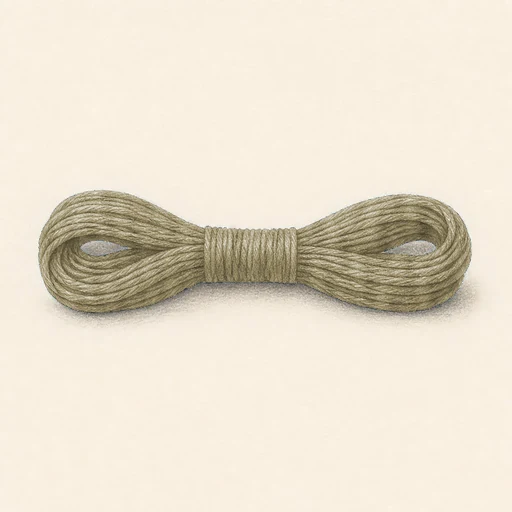
Mouliné Spécial 8 m
A six-strand cotton embroidery floss supplied in an 8 m skein.
- Fibre
- 100% Cotton
- Dimensions / put-up
- Skein · 8 m
- Colour range
- 500 colours
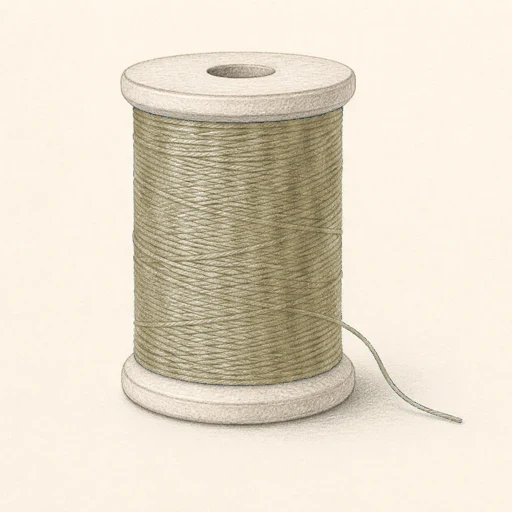
Anchor Coton à Broder 25
Anchor Coton à Broder 25 is a thread made from 100% cotton. Package: 30 m.
- Fibre
- 100% Cotton
- Dimensions / put-up
- 30 m
- Colour range
- Colour range being verified
Anchor Lace No. 10 900 m
Anchor Lace No. 10 900 m is a thread made from 100% cotton. Package: 900 m.
- Fibre
- 100% Cotton
- Dimensions / put-up
- Spool · 900 m
- Colour range
- Colour range being verified
Anchor Lace No. 20 500 m
Anchor Lace No. 20 500 m is a thread made from 100% cotton. Package: 500 m.
- Fibre
- 100% Cotton
- Dimensions / put-up
- Spool · 500 m
- Colour range
- Colour range being verified
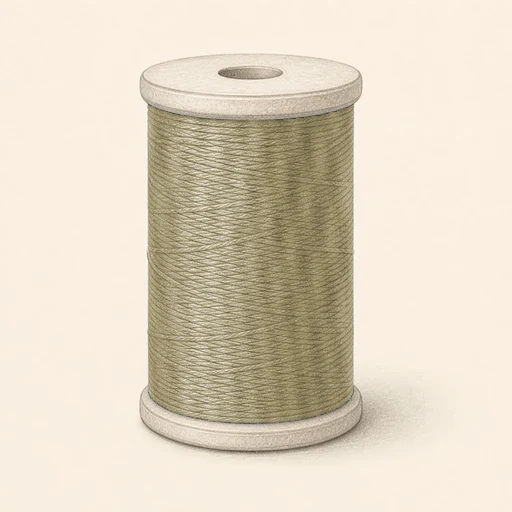
Anchor Lace No. 20 900 m
Anchor Lace No. 20 900 m is a thread made from 100% cotton. Package: 900 m.
- Fibre
- 100% Cotton
- Dimensions / put-up
- Spool · 900 m
- Colour range
- Colour range being verified
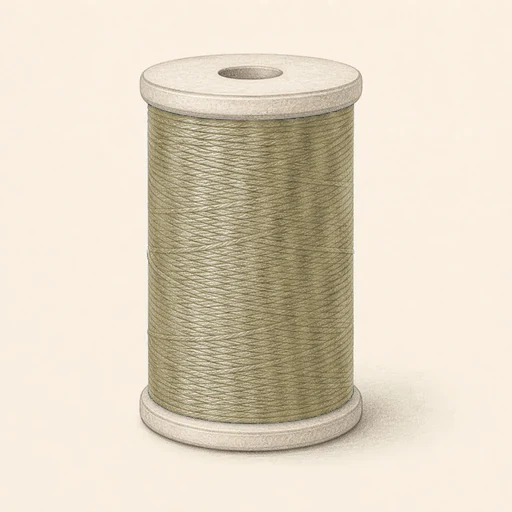
Anchor Lace No. 30 500 m
Anchor Lace No. 30 500 m is a thread made from 100% cotton. Package: 500 m.
- Fibre
- 100% Cotton
- Dimensions / put-up
- Spool · 500 m
- Colour range
- Colour range being verified