Material guide
Choosing sewing and embroidery thread
Match thread construction and size system to the task, then test thread, needle, fabric and tension together.

Start with the job
A load-bearing seam, decorative machine stitch, hand embroidery and quilting ask for different strength, abrasion resistance, surface and strand control. Choose the thread family before colour or spool length.
Read the size system name
Weight, ticket, count and Tex labels do not share one direction or definition. Never treat equal-looking numbers from different systems as equivalent; retain the named system and consult its maker's chart.
Test the complete path
The thread must pass freely through the needle eye and suit the point, fabric and machine. Sew a realistic seam, inspect both sides, flex it and launder the sample before changing tension to hide a mismatch.
Try this example
Sew two short seams through the actual fabric layers using two suitable thread-and-needle combinations. Keep seam length and stitch setting the same. Inspect both faces, flex the seam and apply the permitted wash. Loops, skipped stitches or fraying call for checking threading, needle and tension; thicker thread alone is not a repair.
Related lessons and tools
How it behaves
Starting point
Fibre, twist, ply, finish and sizing system define a thread; a familiar number alone does not.
Useful for
Garment construction, quilting, decorative machine work, hand embroidery and troubleshooting breaks or poor stitches.
Care
Test colour transfer, shrinkage and seam appearance with the actual fabric and planned care routine.
Sources and provenance
- DMC — using stranded embroidery threadManufacturer · Checked 24 Sep 2026
- Coats — all about sewing threadsManufacturer · Checked 24 Sep 2026
- SCHMETZ — sewing-machine needle educationManufacturer · Checked 24 Sep 2026
- SCHMETZ — sewing-machine thread sizing guideManufacturer · Checked 24 Sep 2026
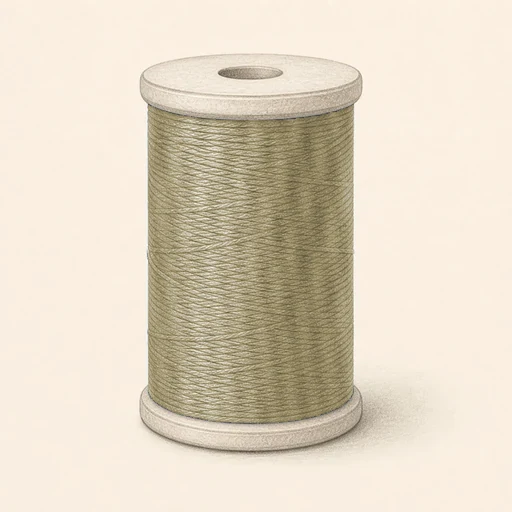
Aurifil Cotton 12wt large spool
Aurifil Cotton 12wt large spool is a thread made from cotton, supplied as 325 m.
- Fibre
- 100% Cotton
- Dimensions / put-up
- Spool · 325 m / 30 g
- Colour range
- 270 colours
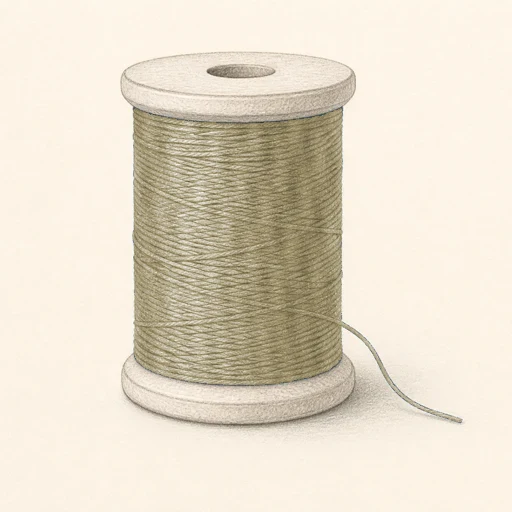
Aurifil Cotton 12wt small spool
Aurifil Cotton 12wt small spool is a thread made from cotton, supplied as 50 m.
- Fibre
- 100% Cotton
- Dimensions / put-up
- Spool · 50 m / 4.3 g
- Colour range
- 270 colours
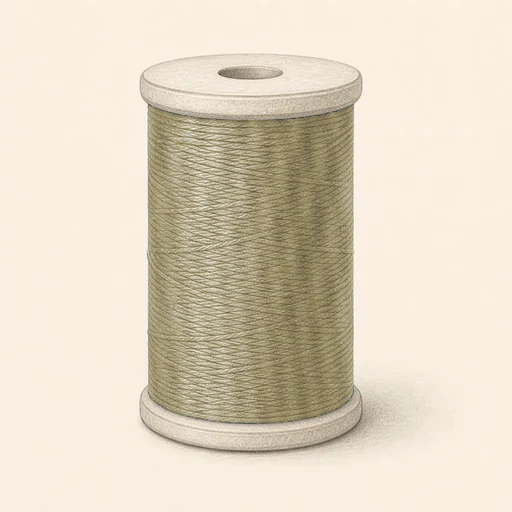
Aurifil Cotton 28wt large spool
Aurifil Cotton 28wt large spool is a thread made from cotton, supplied as 750 m.
- Fibre
- 100% Cotton
- Dimensions / put-up
- Spool · 750 m / 30 g
- Colour range
- 270 colours
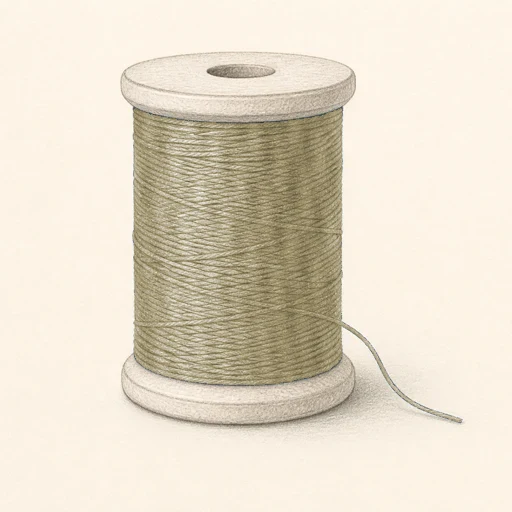
Aurifil Cotton 28wt small spool
Aurifil Cotton 28wt small spool is a thread made from cotton, supplied as 100 m.
- Fibre
- 100% Cotton
- Dimensions / put-up
- Spool · 100 m / 4.3 g
- Colour range
- 270 colours
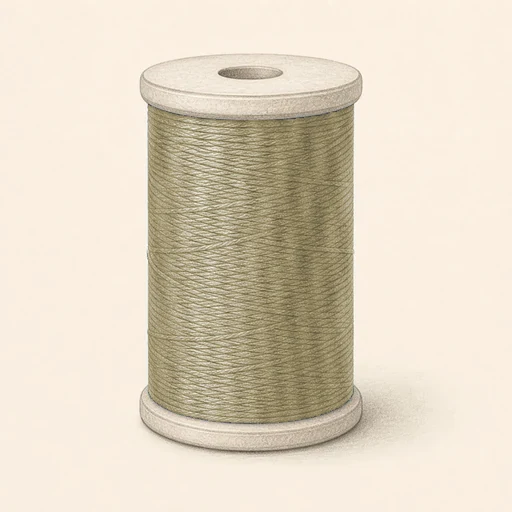
Aurifil Cotton 40wt large spool
Aurifil Cotton 40wt large spool is a thread made from cotton, supplied as 1000 m.
- Fibre
- 100% Cotton
- Dimensions / put-up
- Spool · 1000 m / 30 g
- Colour range
- 270 colours
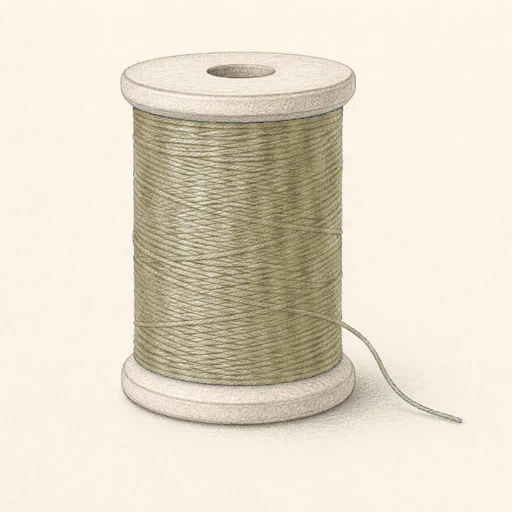
Aurifil Cotton 40wt small spool
Aurifil Cotton 40wt small spool is a thread made from cotton, supplied as 150 m.
- Fibre
- 100% Cotton
- Dimensions / put-up
- Spool · 150 m / 4.3 g
- Colour range
- 270 colours