Material guide
Woven, knitted and nonwoven fabrics
Identify how a fabric is formed before choosing grain, seam, edge and support methods.

Woven: interlaced systems
Warp and weft cross one another. Grain direction, weave and yarn density influence stability, fraying, drape and whether a cut piece skews.
Knitted: connected loops
Loops create extensibility and can curl, ladder or recover differently by direction. Record greatest stretch and recovery before choosing seam, hem or support.
Nonwoven: bonded structure
Fibres or filaments are bonded rather than woven or knitted. Behaviour depends strongly on the bonding method and product specification. For every structure, prewash when appropriate, mark grain or stretch direction, and test a complete seam on a scrap.
Try this example

Look closely at a cut scrap: crossing yarn systems suggest woven cloth; connected loops suggest knitting; a bonded web suggests nonwoven construction. Mark 10 cm in two perpendicular directions, extend gently and let go. Compare recovery and edge fraying before choosing a seam or support. Fibre name alone does not identify the structure.
Related lessons and tools
How it behaves
Starting point
Construction controls directional stretch, edge stability, drape and the way fabric changes during cutting, stitching and care.
Useful for
Garment sewing, quilting, embroidery grounds, bags, linings and choosing compatible support layers.
Care
Use the fabric specification and planned care routine; measure a marked sample before and after washing to reveal shrinkage or skew.
Sources and provenance
- CottonWorks — shrinking and skewingStandard or registry · Checked 24 Sep 2026
- CottonWorks — knit basicsStandard or registry · Checked 24 Sep 2026
- CottonWorks — weaving basicsStandard or registry · Checked 24 Sep 2026
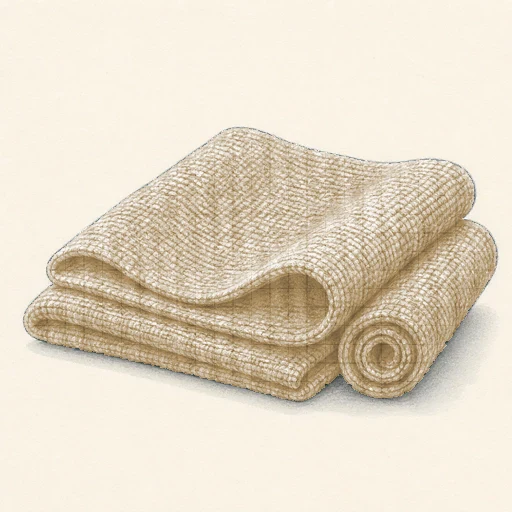
Robert Kaufman Essex Canvas Linen
Robert Kaufman Essex Canvas Linen is a fabric made from linen / cotton, supplied 1.0922 m wide.
- Fibre
- 55% Linen, 45% Cotton
- Dimensions / put-up
- 1.0922 m
- Colour range
- 1 colour
- Linen
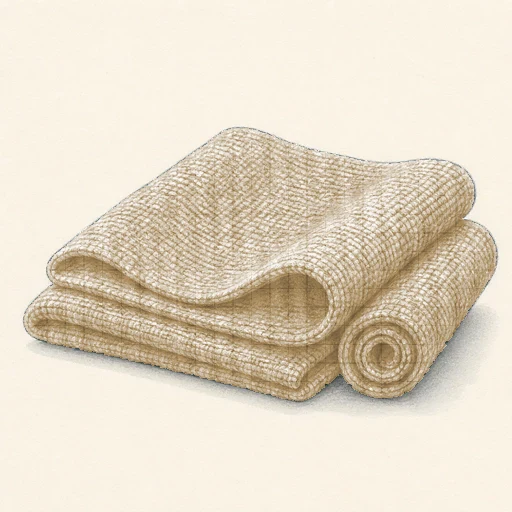
Robert Kaufman Essex Linen
Robert Kaufman Essex Linen is a fabric made from linen / cotton, supplied 1.0922 m wide.
- Fibre
- 55% Linen, 45% Cotton
- Dimensions / put-up
- 1.0922 m
- Colour range
- 1 colour
- Linen
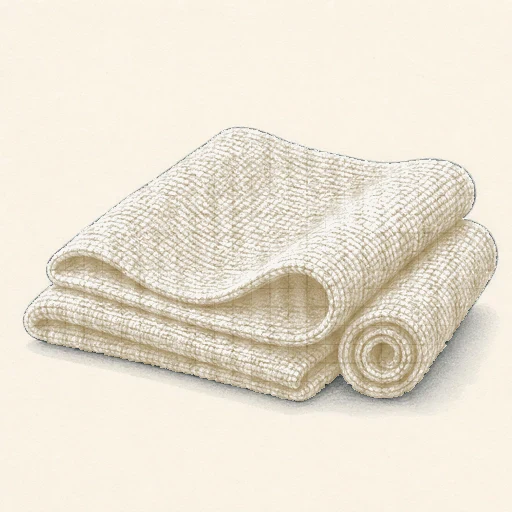
Robert Kaufman Essex Wide Natural
Robert Kaufman Essex Wide Natural is a fabric made from linen / cotton, supplied 1.397 m wide.
- Fibre
- 55% Linen, 45% Cotton
- Dimensions / put-up
- 1.397 m
- Colour range
- 1 colour
- Natural
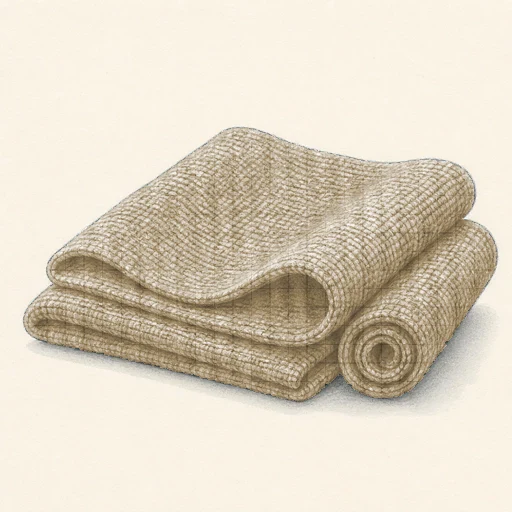
Robert Kaufman Essex Yarn Dyed Flax
Robert Kaufman Essex Yarn Dyed Flax is a fabric made from linen / cotton, supplied 1.0922 m wide.
- Fibre
- 55% Linen, 45% Cotton
- Dimensions / put-up
- 1.0922 m
- Colour range
- 1 colour
- Flax
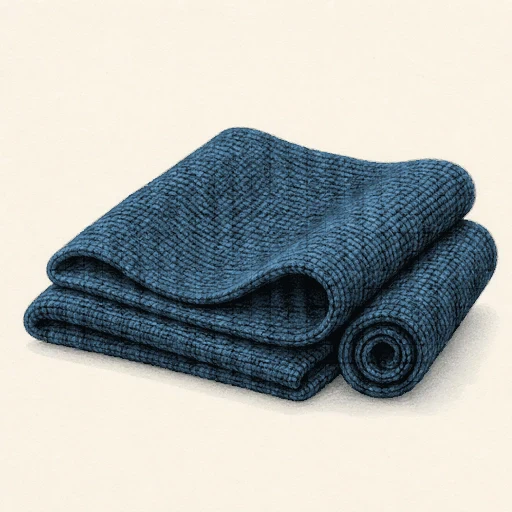
Robert Kaufman Essex Yarn Dyed Nautical
Robert Kaufman Essex Yarn Dyed Nautical is a fabric made from linen / cotton, supplied 1.0922 m wide.
- Fibre
- 55% Linen, 45% Cotton
- Dimensions / put-up
- 1.0922 m
- Colour range
- 1 colour
- Nautical
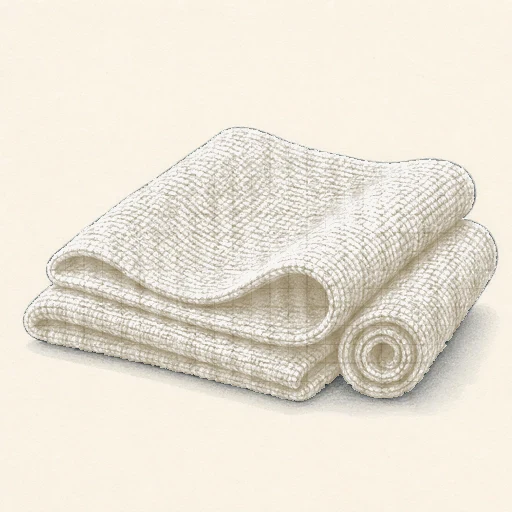
Robert Kaufman Essex Yarn Dyed Oyster
Robert Kaufman Essex Yarn Dyed Oyster is a fabric made from linen / cotton, supplied 1.0922 m wide.
- Fibre
- 55% Linen, 45% Cotton
- Dimensions / put-up
- 1.0922 m
- Colour range
- 1 colour
- Oyster