Material guide
Choosing interfacing and support materials
Match support to fabric weight, stretch, grain, care and the exact area that needs control.

Define the job first
A collar may need crisp shape, a knit placket controlled stretch and embroidery temporary stability. Choose woven, knit or nonwoven support and fusible, sew-in, removable or permanent attachment for that job—not by product name alone.
Preserve compatible movement
Compare weight, drape, grain and stretch direction with the project fabric. Support that is too rigid can create a visible edge, bubbling or stress beside the reinforced area.
Pretest the whole process
Use a representative scrap. Apply the maker's heat, moisture, pressure and time instructions, let it cool fully, then bend, stitch and launder it. Check adhesion, strike-through, colour, shrinkage and hand before cutting project pieces.
Try this example
Cut three equal project-fabric scraps: leave one unsupported, fuse the second and sew support into the third. Follow the support maker’s application instructions, then cool fully. Compare how each bends over your hand and behaves after a seam and the intended care. Reject bubbling, visible adhesive or a hard edge before cutting the final piece.
Related lessons and tools
How it behaves
Starting point
A support layer redistributes stretch and load, changing drape, edge stability and stitch performance.
Useful for
Collars, plackets, waistbands, bags, appliqué, embroidery and areas carrying fasteners or dense stitching.
Care
The finished item's safe routine is limited by the least tolerant layer; pretest adhesion and appearance after the full care cycle.
Sources and provenance
- Pellon — Stretch Fuse interfacingManufacturer · Checked 24 Sep 2026
- Pellon — 906F fusible interfacingManufacturer · Checked 24 Sep 2026
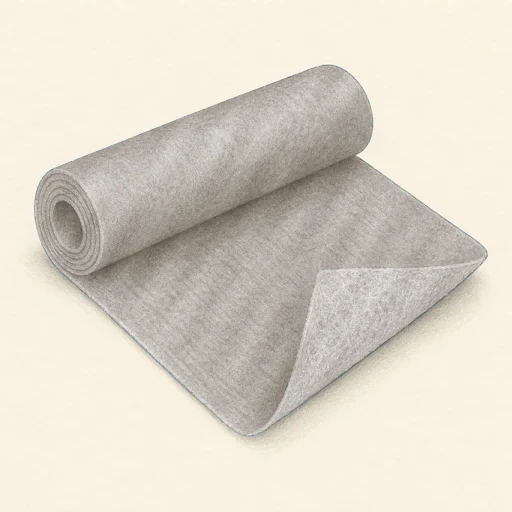
911FF Fusible Featherweight
A nonwoven fusible support 0.508 m wide, made from 90% polyester and 10% rayon.
- Fibre
- 90% Polyester, 10% Rayon
- Dimensions / put-up
- 0.508 m
- Colour range
- 2 colours
- Charcoal
- White
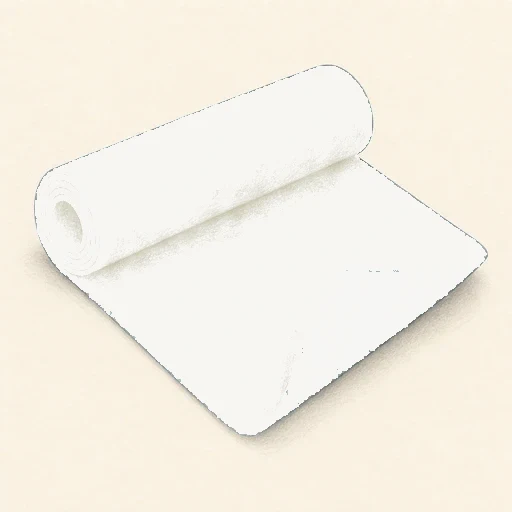
Pellon 333 Ultra Weave
Pellon 333 Ultra Weave is a support material made from polyester, supplied 0.508 m wide.
- Fibre
- 100% Polyester
- Dimensions / put-up
- 0.508 m
- Colour range
- 1 colour
- White
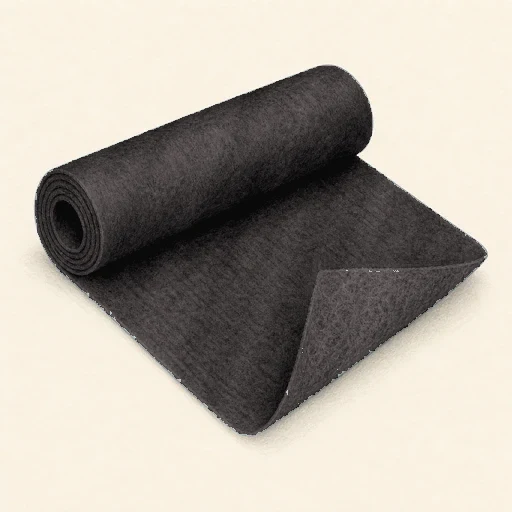
Pellon 845F Designer's Lite
Pellon 845F Designer's Lite is a support material made from nylon / polyester, supplied 0.508 m wide.
- Fibre
- 70% Nylon, 30% Polyester
- Dimensions / put-up
- 0.508 m
- Colour range
- 2 colours
- Black
- White
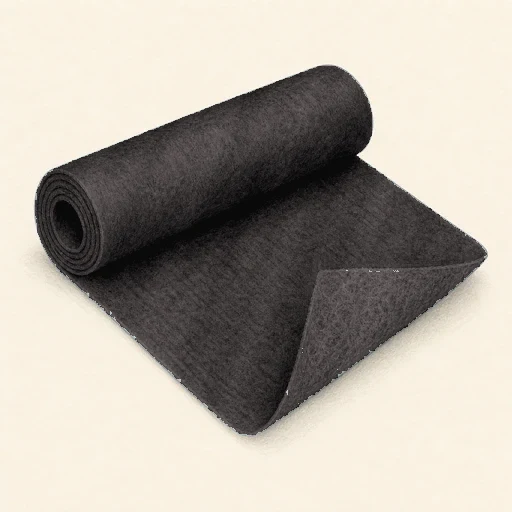
Pellon 855F Tailor's Elite
Pellon 855F Tailor's Elite is a support material made from polyester, supplied 0.508 m wide.
- Fibre
- 100% Polyester
- Dimensions / put-up
- 0.508 m
- Colour range
- 2 colours
- Black
- White
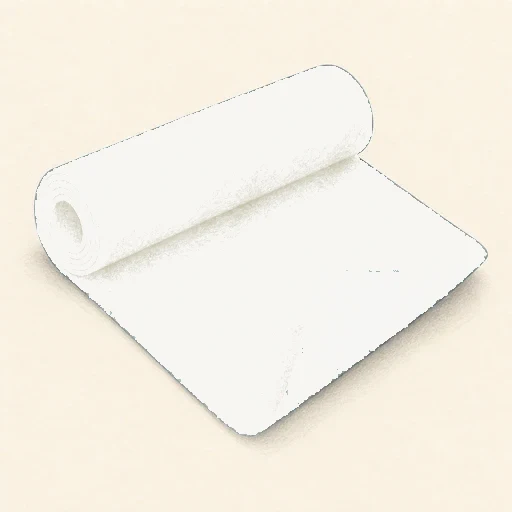
Pellon 880F Sof-Shape
Pellon 880F Sof-Shape is a support material made from polyester, supplied 0.508 m wide.
- Fibre
- 100% Polyester
- Dimensions / put-up
- 0.508 m
- Colour range
- 1 colour
- White
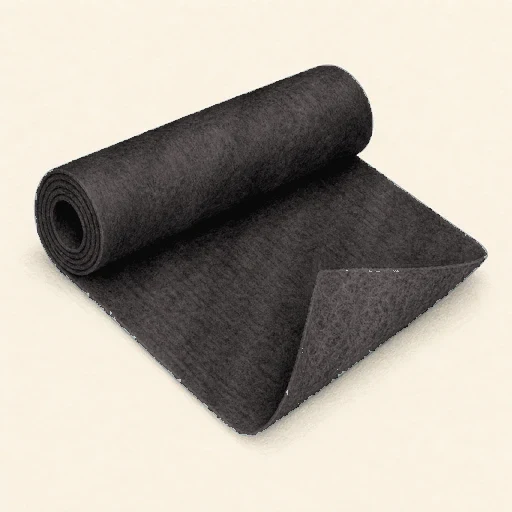
Pellon 905 Sew-In Sheerweight
Pellon 905 Sew-In Sheerweight is a support material made from polyester, supplied 0.508 m wide.
- Fibre
- 100% Polyester
- Dimensions / put-up
- 0.508 m
- Colour range
- 2 colours
- Black
- White