Material guide
Cotton and plant fibres
Choose plant-fibre yarn by construction, recovery and washed dimensions as well as fibre name.

Fibre quality is only the start
Length and uniformity affect how cotton can be spun, while spinning method, twist, ply and evenness shape strength, smoothness and surface. Linen and regenerated plant-based fibres can behave differently again.
Plan for load and recovery
Plant-fibre fabrics often recover less than wool and become heavy when wet. Seams, hang and project structure therefore matter, especially in long garments or bags.
Measure the finished routine
Mark a generous swatch, record dimensions, then wash and dry it exactly as planned. Check shrinkage, growth, skew, hand and colour transfer before calculating the project.
Try this example
For a bag handle, mark a 20 cm span on a finished sample. Test it with the intended contents close to a supporting surface, then remove the load and let it rest. If the span remains 22 cm, it has retained 10% growth. Shortening the pattern alone does not fix poor recovery; compare a firmer structure or supported handle.
Related lessons and tools
How it behaves
Starting point
Plant-fibre yarns are often breathable and clearly defined, but construction and finishing determine recovery, surface and dimensional change.
Useful for
Warm-weather garments, home textiles, crochet, bags and projects that benefit from clear stitches or low insulation.
Care
Use the product label, support heavy wet fabric and measure a marked sample before and after the complete care routine.
Sources and provenance
- CottonWorks — cotton fibre qualityStandard or registry · Checked 24 Sep 2026
- CottonWorks — shrinking and skewingStandard or registry · Checked 24 Sep 2026
- CottonWorks — yarn spinningStandard or registry · Checked 24 Sep 2026
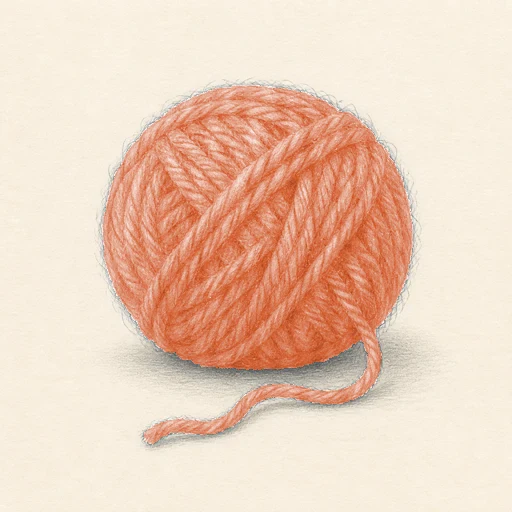
DROPS Paris
A firm 100% cotton yarn with low recovery and a 17-stitch gauge.
- Fibre
- 100% Cotton
- Dimensions / put-up
- 75 m / 50 g
- Gauge
- 17 Stitches × 22 Rows / 10 cm
- Colour range
- 58 colours
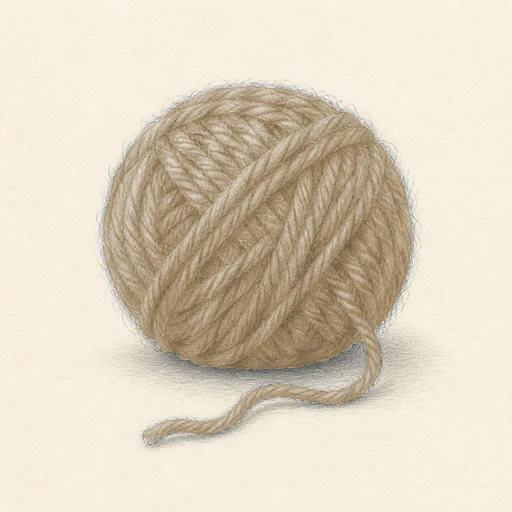
220 Superwash
A plied superwash wool yarn with 200 m per 100 g.
- Fibre
- 100% Wool
- Dimensions / put-up
- 200 m / 100 g
- Gauge
- 21 Stitches / 10 cm
- Colour range
- 206 colours
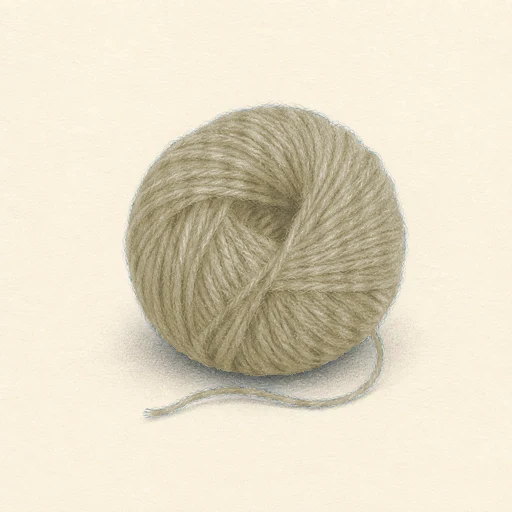
Catona 50 g
A mercerised cotton yarn with a smooth surface, crisp definition and a broad tool range.
- Fibre
- 100% Cotton
- Dimensions / put-up
- 125 m / 50 g
- Gauge
- 26 Stitches × 36 Rows / 10 cm
- Colour range
- 150 colours
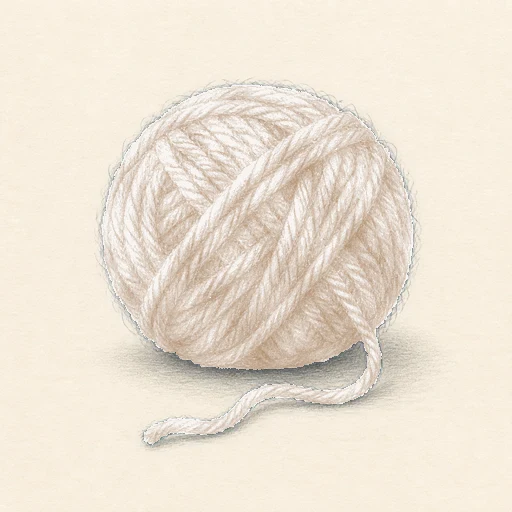
DROPS Air
DROPS Air is a yarn made from alpaca / nylon / wool, supplied as 150 m / 50 g.
- Fibre
- 65% Alpaca, 28% Nylon, 7% Wool
- Dimensions / put-up
- Ball · 150 m / 50 g
- Gauge
- 17 Stitches / 10 cm
- Colour range
- 58 colours
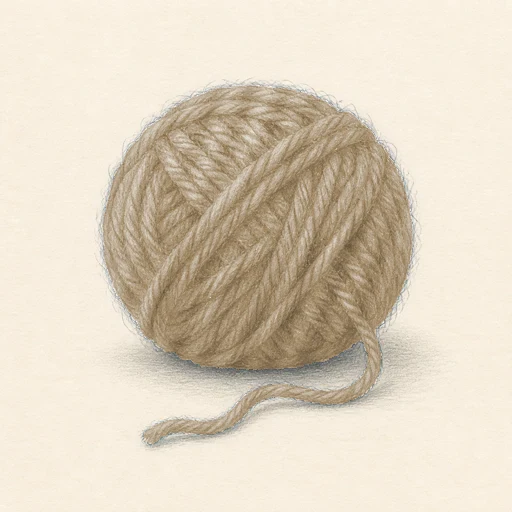
DROPS Alaska
DROPS Alaska is a yarn made from wool, supplied as 70 m / 50 g.
- Fibre
- 100% Wool
- Dimensions / put-up
- 70 m / 50 g
- Gauge
- 17 Stitches / 10 cm
- Colour range
- 51 colours
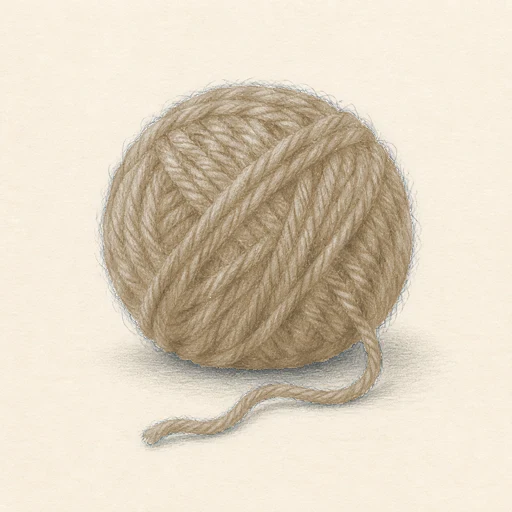
DROPS Alpaca
DROPS Alpaca is a yarn made from alpaca, supplied as 167 m / 50 g.
- Fibre
- 100% Alpaca
- Dimensions / put-up
- 167 m / 50 g
- Gauge
- 23 Stitches / 10 cm
- Colour range
- 63 colours