Material guide
Understanding yarn construction, twist and ply
Read twist and ply as construction clues—not as a direct measure of yarn thickness.

Twist builds the strand
Twist binds prepared fibres into a usable yarn. Fibre length, preparation, twist amount and twist direction all influence strength, surface and how clearly the yarn shows texture.
Ply changes balance
Two or more singles can be twisted together, often in the opposite direction to the singles, to reduce torque and improve regularity. Ply count describes construction, not diameter: a fine four-ply yarn can be thinner than a lofty single.
Sample the intended stitch
Compare the actual yarn in plain fabric and in the project's texture. Watch for splitting, bias, halo, abrasion and whether the yarn relaxes after washing.
Try this example
Compare two similar-diameter yarns with different constructions. Untwist only a waste end to inspect the singles, then make equal plain and textured patches. Record splitting while working and bias after washing. A round plied yarn may clarify texture; choose the actual sample that suits the project, not the largest ply number.
Related lessons and tools
How it behaves
Starting point
Twist and plying redistribute strength, surface texture and torque; fibre and finishing still shape the result.
Useful for
Useful when selecting yarn for cables, lace, colourwork, crochet, seams or any project where stitch definition matters.
Care
Wash and dry a generous sample according to the product label, then compare its size, bias and surface with the unwashed sample.
Sources and provenance
- CottonWorks — yarn spinningStandard or registry · Checked 24 Sep 2026
- Woolmark Learning Centre — introduction to wool processingStandard or registry · Checked 24 Sep 2026
DROPS Air
DROPS Air is a yarn made from alpaca / nylon / wool, supplied as 150 m / 50 g.
- Fibre
- 65% Alpaca, 28% Nylon, 7% Wool
- Dimensions / put-up
- Ball · 150 m / 50 g
- Gauge
- 17 Stitches / 10 cm
- Colour range
- 58 colours
DROPS Alaska
DROPS Alaska is a yarn made from wool, supplied as 70 m / 50 g.
- Fibre
- 100% Wool
- Dimensions / put-up
- 70 m / 50 g
- Gauge
- 17 Stitches / 10 cm
- Colour range
- 51 colours
DROPS Alpaca
DROPS Alpaca is a yarn made from alpaca, supplied as 167 m / 50 g.
- Fibre
- 100% Alpaca
- Dimensions / put-up
- 167 m / 50 g
- Gauge
- 23 Stitches / 10 cm
- Colour range
- 63 colours
DROPS Alpaca Bouclé
DROPS Alpaca Bouclé is a yarn made from alpaca / wool / nylon, supplied as 140 m / 50 g.
- Fibre
- 80% Alpaca, 15% Wool, 5% Nylon
- Dimensions / put-up
- Ball · 140 m / 50 g
- Gauge
- 17 Stitches / 10 cm
- Colour range
- 10 colours
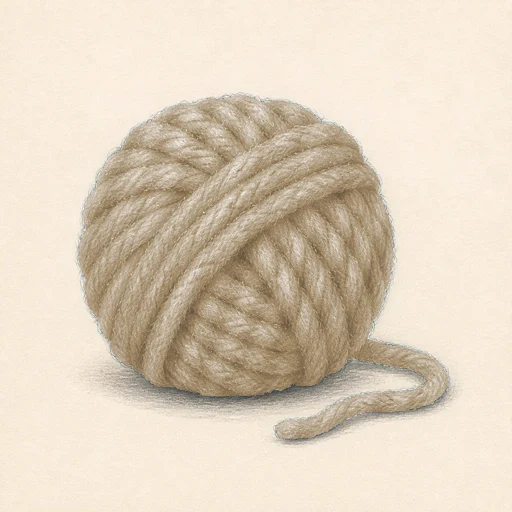
DROPS Andes
DROPS Andes is a yarn made from wool / alpaca, supplied as 90 m / 100 g.
- Fibre
- 65% Wool, 35% Alpaca
- Dimensions / put-up
- 90 m / 100 g
- Gauge
- 10 Stitches / 10 cm
- Colour range
- 26 colours
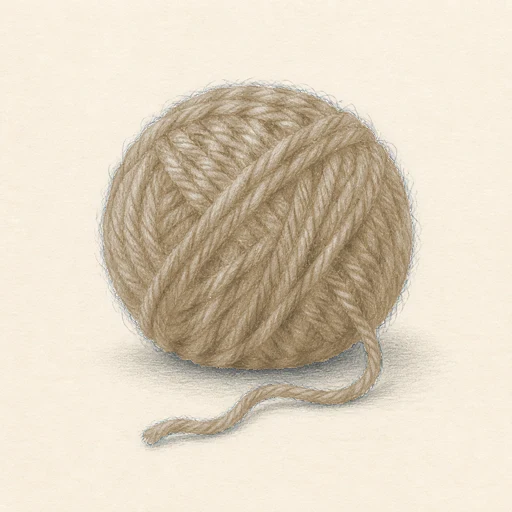
DROPS Baby Merino
DROPS Baby Merino is a yarn made from wool, supplied as 175 m / 50 g.
- Fibre
- 100% Wool
- Dimensions / put-up
- 175 m / 50 g
- Gauge
- 24 Stitches / 10 cm
- Colour range
- 60 colours